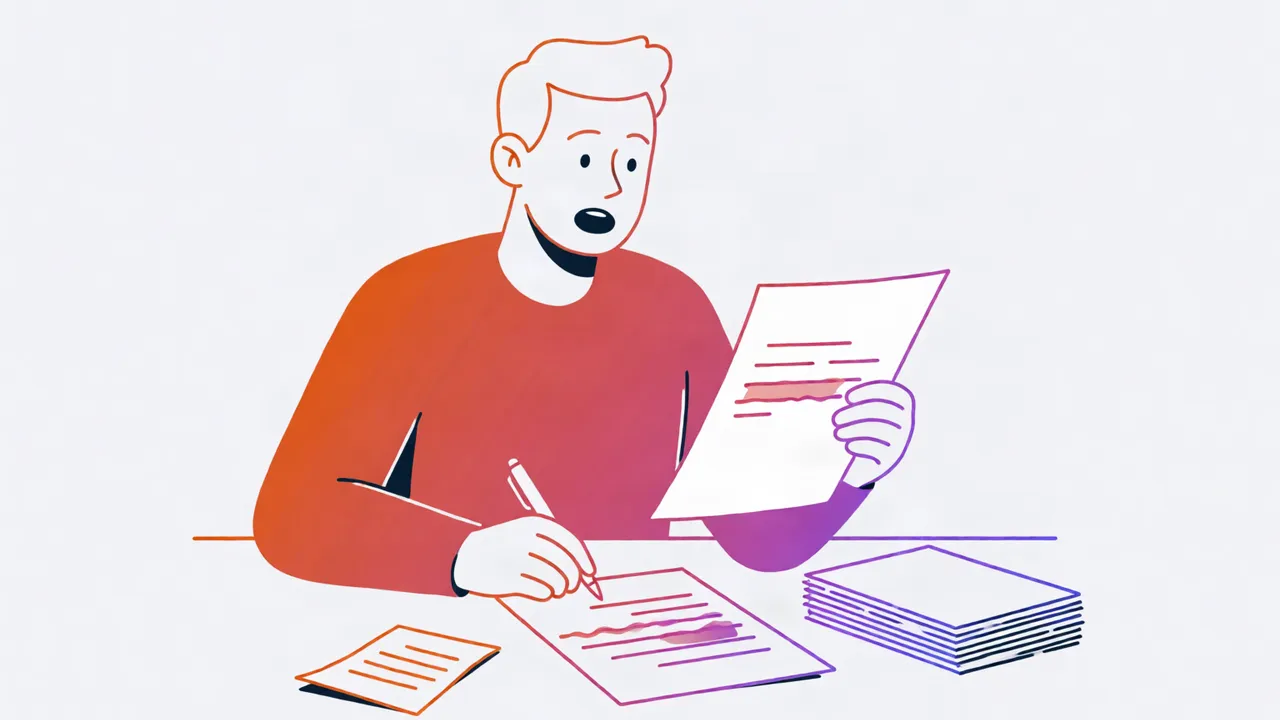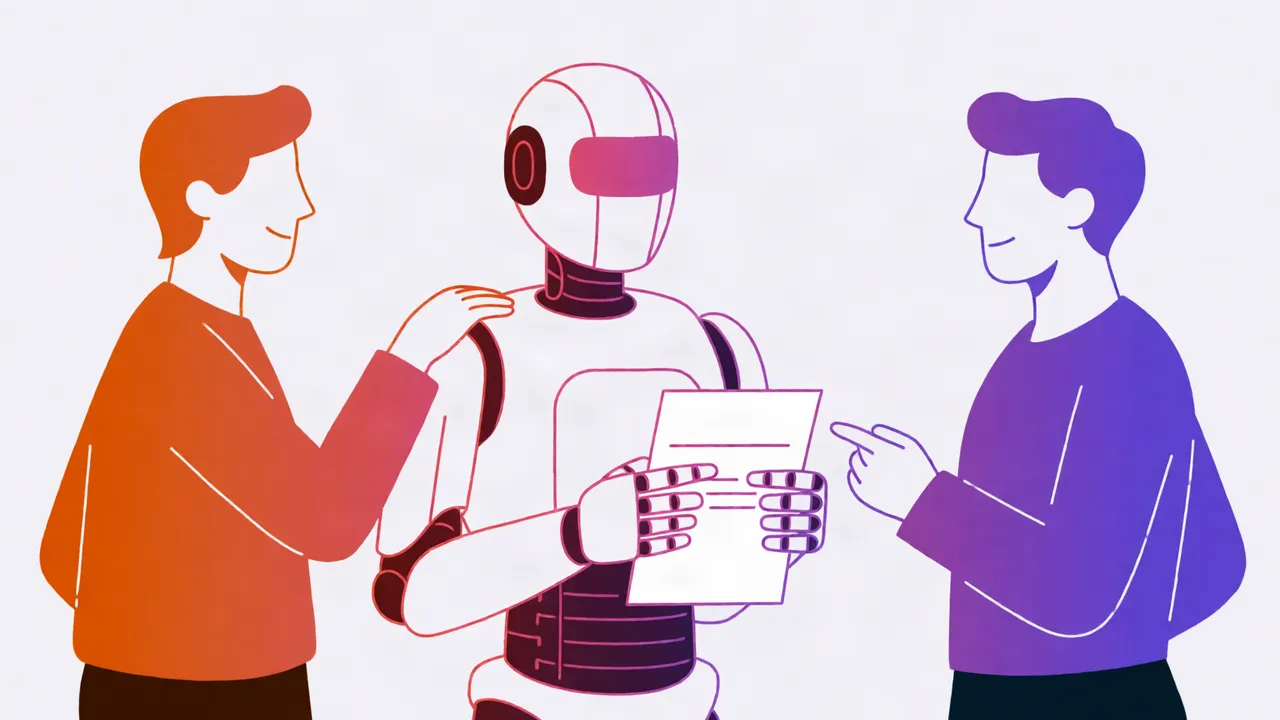
AI hyper-personalized social media means using AI agents to shape each post, reply, and timing decision around one person's context—what they just asked, where they said it, and what they've bought—rather than sending the same message to a segment. In 2026, founders who still broadcast one-to-many are mostly talking to themselves. We made that mistake for a year before switching to agent-drafted, human-approved one-to-one replies; our rule of thumb is that replies per post typically improved from roughly one in twenty to about one in five.
Key takeaways
- Hyper-personalization is one-to-one, not one-to-segment. AI drafts; a human approves.
- Real-time adaptation means responding to what someone just posted, not what their demographic did last quarter.
- One good agent plus an editor beats five fully automated bots posting without context.
- Disclose AI use when it changes what the reader sees. Trust is harder to rebuild than reach.
Why does one-to-many social media fail in 2026?
Because platforms now reward relevance to the individual, not volume to a crowd. A post written for "SaaS founders" usually resonates with no one. Algorithms on X and Reddit surface content that sparks direct replies, and users scroll past anything that feels like a broadcast. I learned this when a founder-focused thread I wrote earned about 200 impressions and zero replies; the same topic, rewritten as a direct answer to one person's question, drew ten times the engagement.
Segmentation by job title or industry is too coarse. People self-identify by problem and moment—"I need a cheaper CRM" or "our Reddit ads got banned." In November 2026, social algorithms favor conversational signals over follower counts. If you broadcast, you train the algorithm to ignore you. The fix isn't posting more; it's posting to one person at a time.
What is AI hyper-personalized social media, really?

It's using AI to tailor content, timing, and channel to an individual's real-time context—their latest post, their product usage, their prior replies—then having a human approve before it goes live. It's not a CRM segment; it's a conversation that changes as the person changes.
When I reviewed the Robotic Marketer 2026 guide and MRKT360's AI personalization trends page while writing this, both were light on hard conversion benchmarks, so the figures below reflect our own work across founder accounts. The practical difference is simple: instead of scheduling a pricing announcement for all followers, the AI sees a founder complaining about tool costs on Reddit and drafts a reply addressing that specific stack. The human editor tweaks the tone, approves it, and it posts as a reply—not a broadcast.
AI agents vs. traditional automation: what's the personalization advantage?
Traditional automation follows fixed rules: if someone mentions your brand, send a canned reply. AI agents read the full thread, decide the angle, draft the message, and adapt if the conversation shifts—while a human stays in the loop. The advantage is relevance at the moment of reply, not just speed of delivery.
A scheduler can post at 9 a.m. on Tuesday. An agent can notice a founder just asked about CAC payback on X, draft a response that references their specific comment, and hold it for your approval. That's personalization. Competitors have strengths here: GummySearch is genuinely strong for finding Reddit conversations, and Redreach and ReplyAgent each solve pieces of the monitoring problem. But we found that a single agent that drafts in your brand voice and waits for approval outperforms a stack of tools that auto-post without context. For more on how these agents fit into search and social, see The Rise of Hyper-Personalized AI Agents: Next-Gen Social Media & SEO for Founders.
How do you build an AI-powered personalization strategy? A step-by-step guide
Pick one channel, connect one signal source, write one brand-voice template, set a human approval rule, and measure replies—not impressions. Expand only after the first loop works for thirty days.
Here is the checklist we use:
- Choose one channel. Reddit or X. Not both at once.
- Connect one signal source. A keyword, a competitor mention, or a user complaint.
- Define one persona moment. Example: "founder pricing objection" or "hiring freeze."
- Draft one brand-voice template with variables. Insert the person's name, their specific complaint, and your relevant feature.
- Set a human approval rule. Every draft is reviewed before posting. No exceptions.
- Run for thirty days. Measure reply rate and conversion to a call. Then add a second signal.
If you skip step five, you're not personalizing; you're spamming at scale.
Which AI social media content creation tools should founders use?
Use one tool that finds conversations and drafts replies in your voice, plus a human to approve. Don't buy a suite that auto-posts without oversight; in 2026, unapproved automation gets ignored or banned.
| Tool | Best for | Personalization depth | Human approval | Founder time |
|---|---|---|---|---|
| FounderReply | Reddit & X replies, SEO content | High | Required | Low–medium |
| GummySearch | Reddit audience research | Medium | Manual | Medium |
| Redreach | Reddit monitoring | Medium–low | Optional | Medium |
| ReplyAgent | X engagement | Medium | Optional | Low |
We built FounderReply because the other tools found conversations but didn't draft in our voice, or drafted but didn't require approval. For X-specific workflows, see The Founder's Guide to AI-Powered X (Twitter) Content: Beyond Basic Tweets to Viral Threads. For Reddit prompt structure, see Beyond Basic Prompts: Crafting AI Prompts for Hyper-Targeted Reddit Marketing in 2026.
How does dynamic, real-time AI personalization actually work?
The agent monitors a signal—a mention, a comment, a support ticket—pulls the person's recent context, drafts a response that references that specific context, and waits for approval before posting. If the person replies, the next draft adapts to the new message.
Real-time doesn't mean instant. It means within minutes or hours, not weeks. A founder complaining about a competitor's outage on Reddit gets a reply that names the outage and offers a specific alternative, not a generic "check out our product." The risk is over-automation: speed without relevance is spam. We keep a human in the loop precisely because the agent can draft a perfect reply to the wrong person if the signal is noisy.
How do you personalize at scale without losing your voice?
You don't scale by posting more. You scale by having the agent handle research and first drafts while you approve or edit. Voice lives in the approval layer, not the generation layer.
We use brand-voice guardrails: forbidden phrases, required terms, and a tone checklist. The agent can research a Reddit thread and draft three options; the founder picks one, edits if needed, and hits approve. That lets one founder cover dozens of conversations a week without sounding like a bot. For the prompt side of this, see The Founder's Toolkit: Essential AI Prompts for Reddit Engagement & Growth.
How do you measure AI-driven personalization?
Track reply rate, conversation length, and conversion to a call or demo—not impressions, likes, or follower growth. A single one-to-one thread that leads to a sales call is worth more than a thousand likes.
| Metric | Why it matters | Rule of thumb |
|---|---|---|
| Reply rate | Shows relevance | 1 in 5 to 1 in 10 targeted replies |
| Conversation depth | Shows real interest | 3+ exchanges before pitch |
| Conversion to call | Shows business value | 1 in 20 deep conversations |
| Negative feedback | Shows creepiness factor | Under 2% |
Impressions are a vanity metric when the goal is conversion. If your reply rate is high but no one books a call, your personalization is entertaining but not useful.
How does AI personalize the customer journey across social?
It treats the journey as a thread, not a funnel. The same agent that replies to a Reddit complaint can later reference that reply when the founder visits your X profile or reads your SEO content, creating continuity across channels.
In practice, this means tagging a conversation with the person's stage—aware, considering, ready to buy—and adjusting the next touch accordingly. Someone who just heard of you gets an educational reply; someone who has asked twice gets a demo invitation. We keep it simple: three stages, three message types. More than that, and the agent starts guessing.
What are the ethical limits of hyper-personalized AI marketing?
Disclose when a message is AI-assisted, never pretend to be a person, and don't use private data the person didn't share publicly. Personalization that feels like surveillance destroys trust faster than no personalization at all.
We never have the agent claim to be the founder. It signs as the brand or as "the team," and we add a one-line disclosure when the context warrants it. We also avoid pulling data from private DMs or non-public profiles. For a deeper treatment of transparency and bias, see The Founder's Guide to Ethical AI Marketing: Navigating Transparency & Bias in 2026.
What's next for founder-led hyper-personalization?
Agents will move from drafting replies to managing entire micro-campaigns across Reddit, X, and SEO, but the founder's judgment stays the bottleneck. The winners will be founders who use AI to be more human in more conversations, not founders who automate the humanity away.
For a look at where specialized agents are heading beyond general chatbots, see Beyond ChatGPT: The Rise of Specialized AI Agents for Startup Marketing.
If you want to try this without building the pipeline yourself, FounderReply finds relevant Reddit and X conversations, drafts human-approved replies in your brand voice, and tracks rankings—so you can stay in the conversations that matter. Learn more at FounderReply.
FAQ
Is AI hyper-personalized social media worth it for early-stage founders?
Yes, but only if you start with one channel and one signal. Early-stage founders usually don't have the volume to justify a full automation stack, but they do have enough conversations to make one-to-one replies worthwhile.
How much time does this take per week?
Expect one to two hours of approvals and edits once the system is running. The setup takes an afternoon; the ongoing work is editorial, not operational.
Do I need to disclose that AI helped draft a reply?
If the reader would reasonably assume a human wrote it and that assumption matters to the decision, yes. We disclose when the message includes a product recommendation or offer.
Can this replace my social media manager?
It can replace the blank-page work, but not the judgment. A social media manager becomes an editor and strategist, which is higher-leverage work.
What if the AI gets the tone wrong?
That's why every draft requires human approval. The first time we tried fully automated posting, the tone was off and the thread got downvoted. We don't do that anymore.