Fully autonomous reply bots are a brand liability, not a growth hack. The setup that actually works is human-approved AI social media replies: the agent finds the right conversations and drafts in your voice, but a human who knows the brand approves every post before it goes live.
Every serious framework for AI replies lands on the same number: three tiers — autonomous, AI-assisted, human-approved — and only the last one is safe to put a founder's name on. That's the split WebPro's framework for AI-assisted social replies draws, and it matches what I've seen firsthand. I've run all three modes. Two of them taught me what happens when you don't keep the human in the loop.
Key takeaways
- Autonomous AI fails on context, not grammar — sarcasm, trolls, and subreddit culture are what burn you.
- "Human-approved" means the AI does discovery and drafting; a person does judgment and sign-off on every post.
- A short written voice guide (rules, real examples, banned phrases) is the difference between on-brand drafts and coin flips.
- Tier your approvals by risk: nothing customer-facing should post without a click.
- Measure approval rate and conversation quality, not just likes.
Why does fully autonomous AI fail on Reddit and X?
Autonomous AI fails on social because it optimizes for sounding plausible, not for being right about the room. It misreads sarcasm, argues with trolls, drops marketing-speak into support threads, and does all of it under your name. The failure mode isn't the model — it's the missing stakes.
The first time I tested a fully autonomous mode, the drafts were grammatically clean and contextually wrong: it answered a sarcastic thread as if it were a support ticket. Polite. Confident. Completely wrong for the room. On Reddit, add per-subreddit culture and a long memory for self-promoters. On X, add speed and pile-ons — a bad reply gets quote-tweeted before you've finished your coffee.
One screenshotted reply outlives a hundred good ones. Screenshots travel; deletions don't.
That's the whole argument for keeping a human at the switch.
What does "human-approved" AI engagement actually mean?
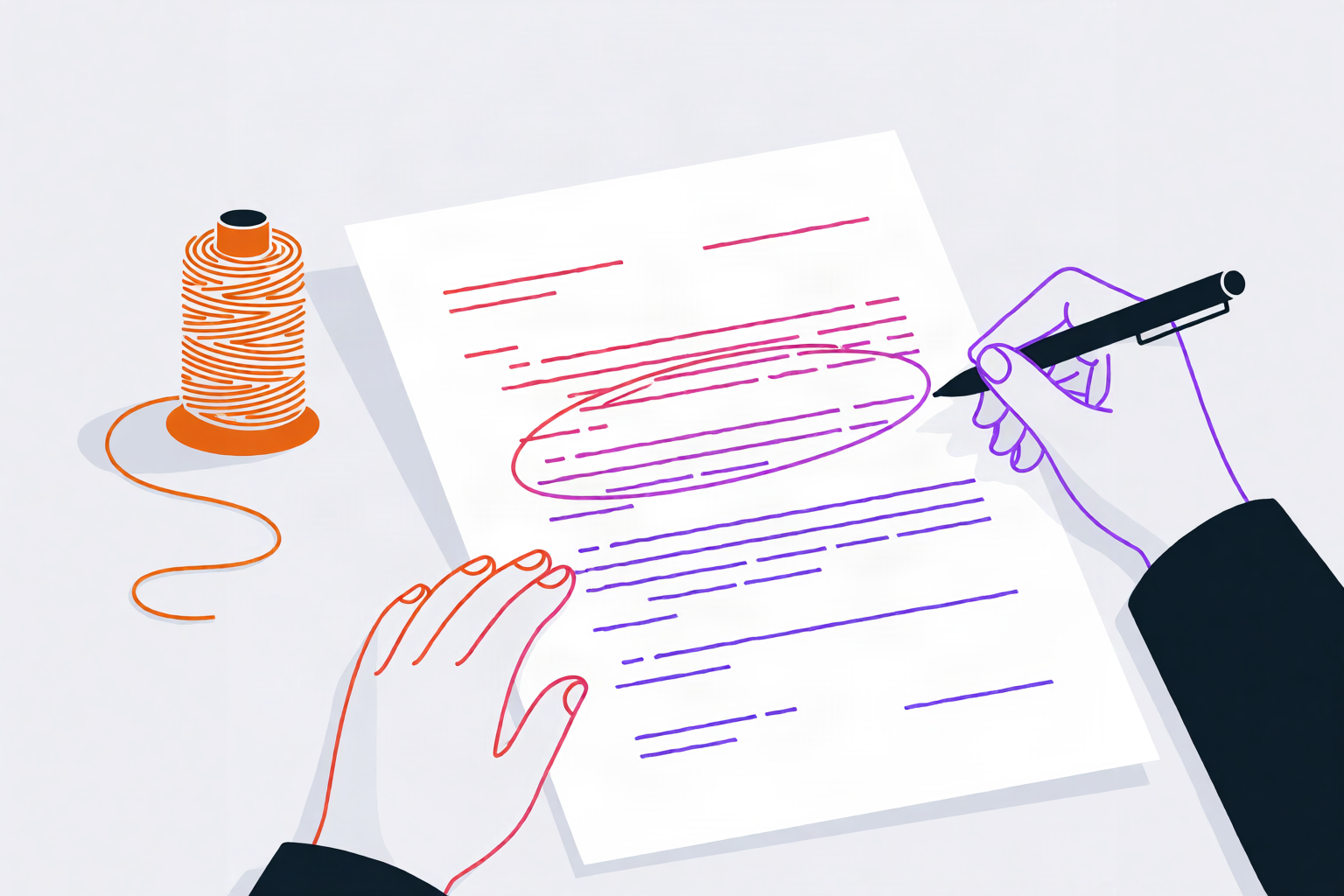
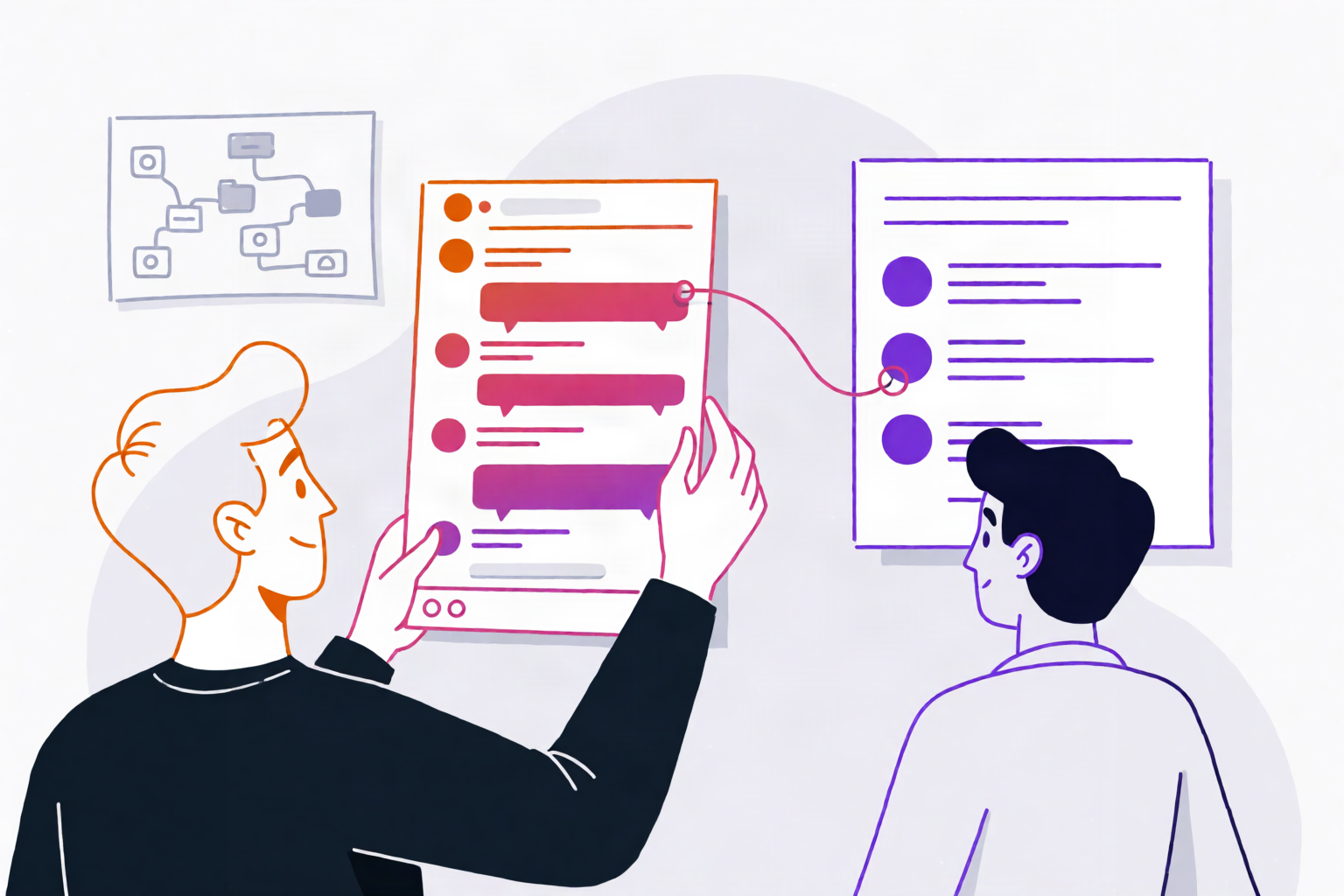
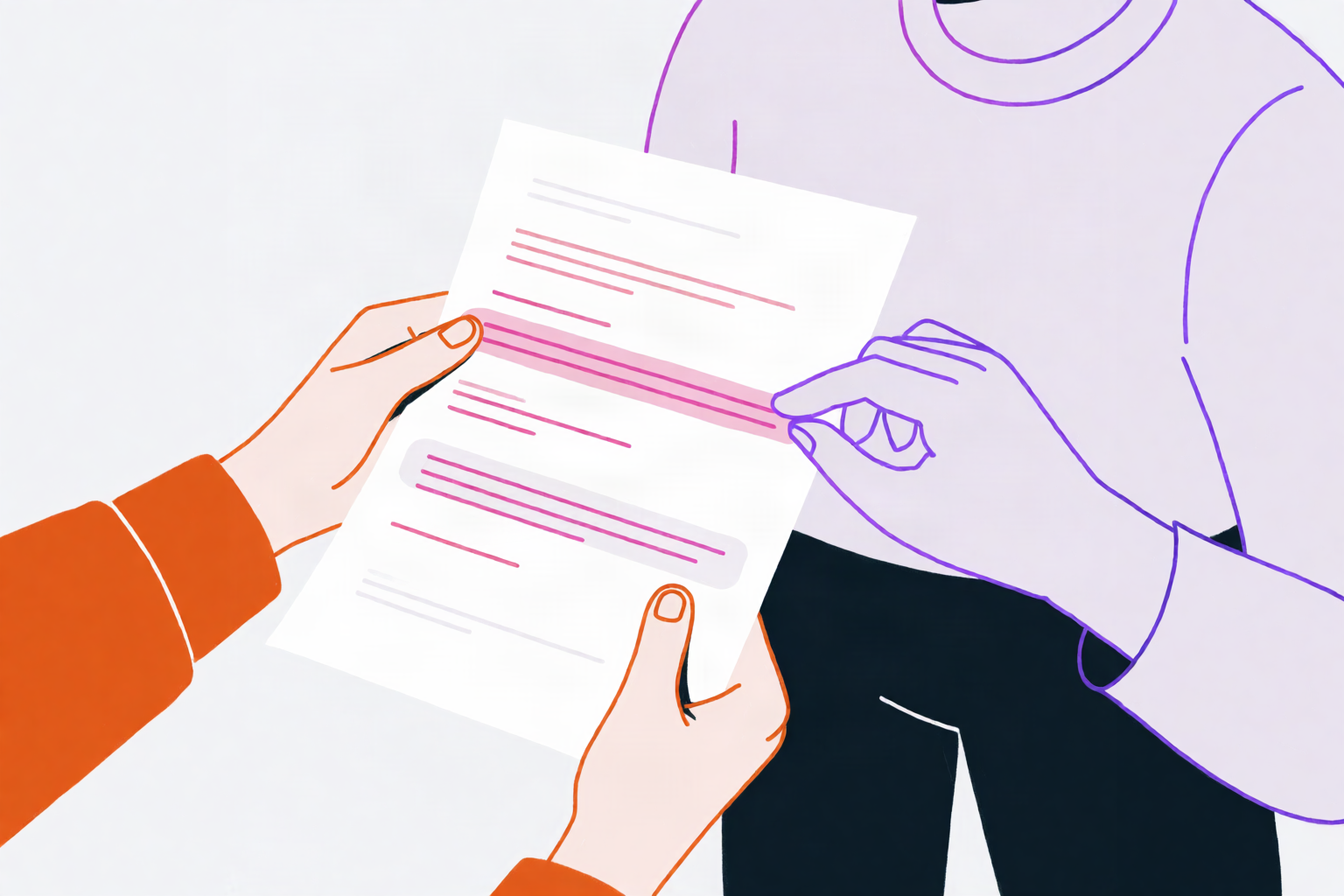
Human-approved means a strict division of labor: the AI handles discovery (finding threads worth your time) and drafting (a first pass in your voice), while a human handles judgment and sign-off. Nothing goes live until a person has read the draft in the context of the full thread. The AI never posts on its own.
The tiers look like this:
| Tier | Who drafts | Who approves | Where it's safe |
|---|---|---|---|
| Fully autonomous | AI | No one | Nowhere customer-facing |
| AI-drafted, human-approved | AI | You, per post | Reddit replies, X replies, DMs |
| Human-only | You | You | Crises, launches, apologies |
The middle row is the sweet spot. You get the leverage of the machine — it never gets tired of monitoring keywords at 11pm — and you keep the one thing it can't supply: accountability for what goes out under your name.
How do you keep brand voice consistent when AI drafts your replies?
Voice consistency doesn't come from the model; it comes from the brief you give it. A workable voice guide is short: three to five rules, two or three real replies of yours as calibration examples, and a banned-phrase list. If the guide lives in your head instead of the prompt, every draft is a coin flip.
What goes in the guide:
- Three to five rules. "Plain words, no hype." "Answer first, then add one insight." "Ask a question back only when one is natural."
- Real examples. Two or three replies you actually wrote, so the model calibrates to you, not to "professional tone."
- A banned list. "Game-changer," "delve," emoji strings, marketing-speak of any kind.
- Platform norms. Reddit punishes anything that reads like an ad; X tolerates more brevity and personality.
- A monthly drift check. Read your last ten approved drafts. If you keep overriding a rule, fix the rule.
We keep our voice rules inside the reply prompts themselves — most of the patterns in our essential AI prompts for Reddit engagement are voice rules in disguise.
What does the human-approved workflow look like day to day?
The loop is: monitor → draft → queue → approve → post → learn. The approval step should be one screen showing the full thread, the draft, and three buttons: approve, edit, reject. Done well, it costs ten to fifteen minutes a day, batched twice. Done badly, it's a second inbox you resent.
- The agent monitors your keywords, subreddits, and mentions.
- It drafts a reply with the thread's context attached.
- Drafts land in a queue you clear morning and afternoon.
- You approve, edit, or reject — edits feed back into the voice guide.
- Rejections teach the system; a pattern of rewrites means the prompt needs work, not the volume.
This mirrors the standard pattern aiappsapi's guide to approval workflows for AI replies describes: route drafts into a review queue, let the human edit before sending, and close the loop with feedback. The scaling trick is caps — I'd rather approve five genuinely useful replies than fifty pattern-matched ones. What makes a draft feel personal is whether it quotes the person's actual problem; we cover that distinction in our piece on hyper-personalized social media with AI.
How do you use AI for Reddit community management without getting flagged?
Reddit rewards genuine participation and punishes anything that smells like automation or stealth promotion. Use AI as a filter and a drafter, never as a poster of record: let it screen out toxic or irrelevant threads, flag rule-sensitive ones, and draft value-first replies — then check the subreddit's rules yourself before approving.
Two jobs the AI should do before drafting:
- Moderate your own pipeline. Skip drama, troll bait, and threads where any founder reply looks predatory. A good agent declines to draft where engagement would hurt you.
- Flag compliance risk. Threads where someone explicitly asks for recommendations, or subreddits with strict self-promo rules, deserve a slower, more careful human pass.
The old 90/10 rule of thumb still holds: give value roughly nine times for every time you mention what you build. We break down Reddit's current content policies and how AI helps you stay compliant in more depth — the short version is that the rules target spam and deception, not assistance.
How do you balance AI automation and the human touch as you grow?
Balance comes from tiering approvals by risk, not from choosing between "all AI" and "all human." Routine helpful replies get one-click batch approval. Anything touching pricing, complaints, legal, or controversy gets rewritten by hand. And nothing posts fully autonomously under your name.
| Reply type | Approval level | Why |
|---|---|---|
| Helpful how-to in your niche | One-click batch approval | Low stakes, high volume |
| Feature or pricing questions | Hand-edit every time | One wrong number is a promise |
| Complaints and angry threads | Human writes, AI assists | Tone matters more than speed |
| Controversy and drama | Don't engage | No draft should exist |
The queue design makes this workable: the agent tags each draft with its risk tier, so your morning batch is mostly the top row and your attention goes where it's expensive.
Which metrics prove your AI engagement is authentic?
Likes measure reach; authenticity metrics measure trust. The four I watch: approval rate (how often drafts ship unedited), reply reception (do thread participants respond warmly or with suspicion), conversations started (DMs and follow-ups), and branded search lift after engagement bursts.
Approval rate is the metric unique to human-approved setups, and it's a health check on the whole pipeline. If you're rejecting or rewriting most drafts, the problem is upstream — keywords, prompts, voice guide — not the volume. Fix the inputs before you scale the outputs. On X specifically, vanity numbers mislead more than usual; we went deeper on the X engagement metrics that actually matter for founders.
What are the ethical best practices for AI social media agents?
Five rules cover most of it: every post has a named human owner; no fake personas or astroturfing; disclose automation if someone asks directly; respect platform rate limits and automation policies; and keep an audit log of what was approved, edited, or rejected.
- One accountable human per post. "The agent did it" is not a defense.
- No astroturfing. Never manufacture consensus or reply to yourself from other accounts.
- Honesty on request. If someone asks whether AI helped, say yes.
- Platform rules first. APIs, rate limits, and automation policies change; build inside them.
- An audit trail. Approved and rejected drafts are your institutional memory — and your evidence of good faith.
Here's the future-proofing argument: models will change, APIs will change, subreddits will tighten rules again. The approval habit is the layer that survives all of it. Tools come and go; a founder who reads before posting does not go out of style.
Which tools support human-approved AI replies?
Pick by the job, not the feature list. If the job is listening, GummySearch remains the tool founders reach for first. If it's Reddit-to-search visibility, Redreach leans that way. ReplyAgent focuses on reply automation. If you want discovery, drafting, approval, and SEO content in one loop, that's what we built FounderReply for.
| Tool | Core strength | Trade-off |
|---|---|---|
| GummySearch | Reddit audience research and listening | Listening-first; you write and post yourself |
| Redreach | Reddit visibility tied to search | Narrower than a full engagement loop |
| ReplyAgent | Reply automation | Automation-first; vet the oversight it offers |
| FounderReply | Human-approved drafts plus an SEO agent | Built for founder-led teams, not agencies |
I'll credit the competitors honestly: if your only need today is understanding a subreddit, a listening tool is the right purchase, and buying more would be waste. The case for an approval-loop tool arrives when you're actually replying daily.
If you'd rather have that loop built in — discovery, on-voice drafts, one-screen review — that's the core of FounderReply. The AI does the legwork. You keep the last word.
FAQ
Are human-approved AI replies still scalable for a solo founder?
Yes, because the AI absorbs the discovery and drafting work — the parts that used to eat your evenings. Batch your approvals twice a day and most queues clear in ten to fifteen minutes. The bottleneck is deliberate; it's the quality control.
Will Reddit ban my account for using AI?
Reddit's rules target spam, undisclosed promotion, and automation abuse — not assistance. Value-first replies that follow each subreddit's rules, posted by a human who read and approved them, are the compliant pattern. Always check the per-subreddit rules before your first reply.
How is this different from a chatbot?
Chatbots handle inbound questions on your own properties. This is outbound participation in conversations already happening on Reddit and X, where context and tone decide whether you're welcome. Different job, different risks, different tooling.
Do I have to disclose that AI helped draft a reply?
You approved it and you're posting it as yourself, so most founders don't label routine drafts. But never deny it if asked directly, never run fake personas, and never let the AI impersonate a person. The moment it becomes deception, it becomes a liability.
What's the biggest mistake founders make with AI replies?
Letting volume lead. Five replies that genuinely help someone beat fifty that pattern-match a keyword. If your rejection rate is climbing, cut the volume first and fix the prompts second — approval time is the guardrail, not the obstacle.